Joya de Cerén
DECLARED BY UNESCO A WORLD HERITAGE SITE IN 1993
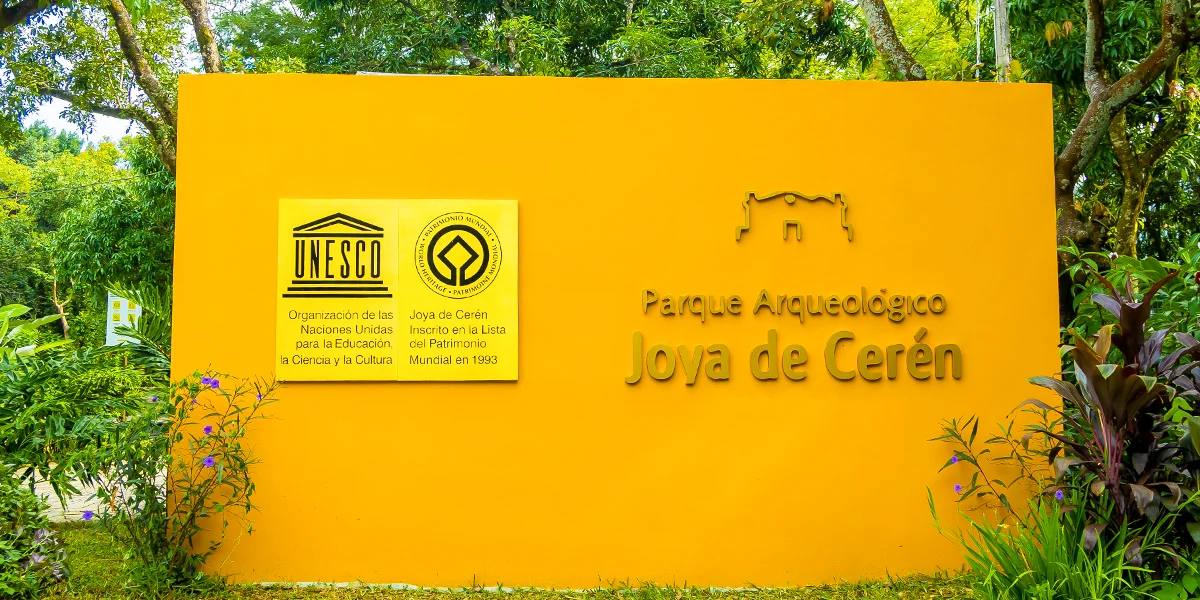
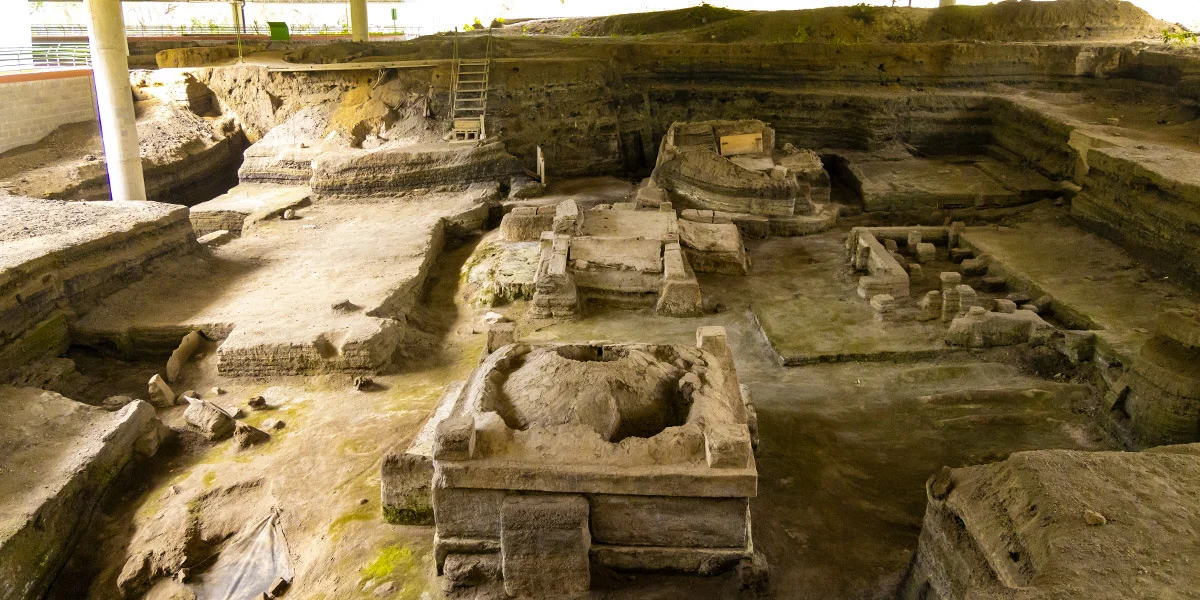
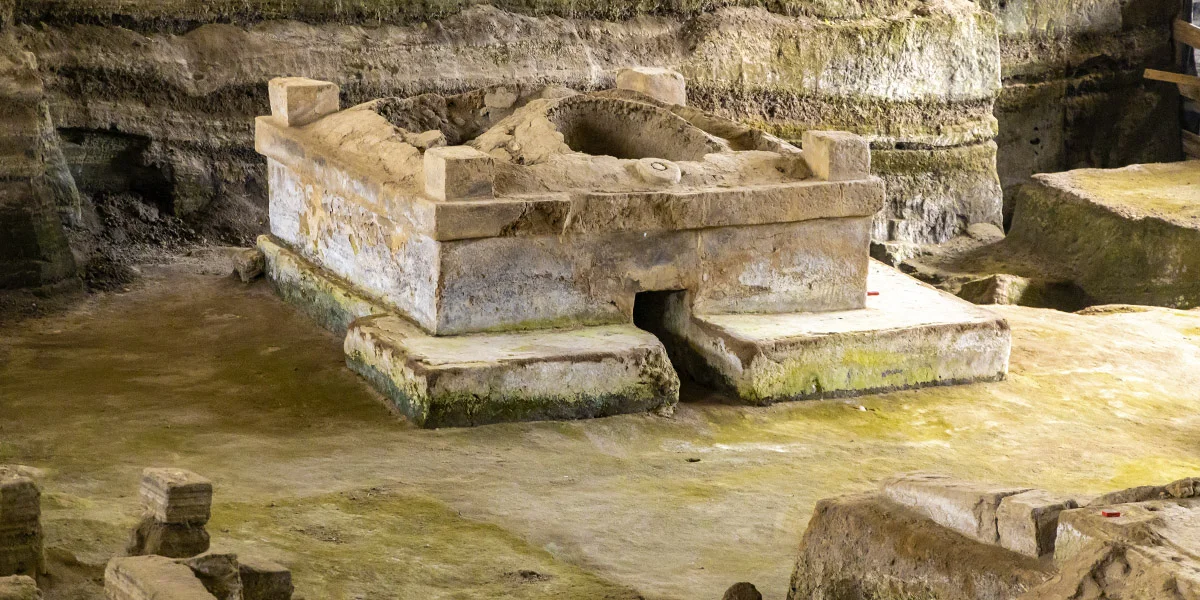
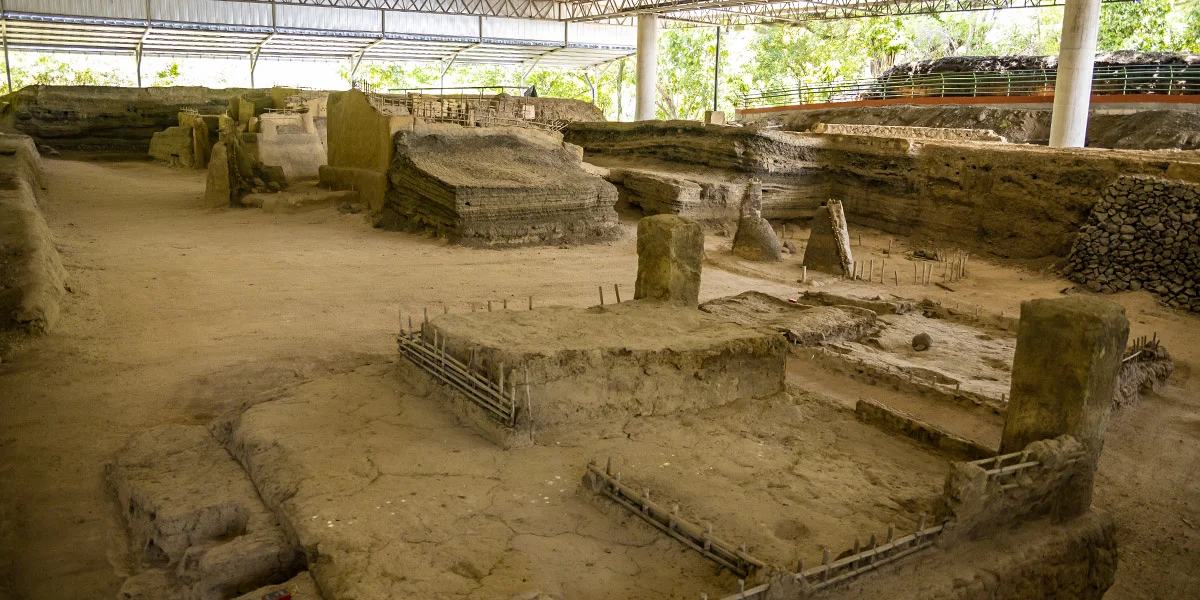
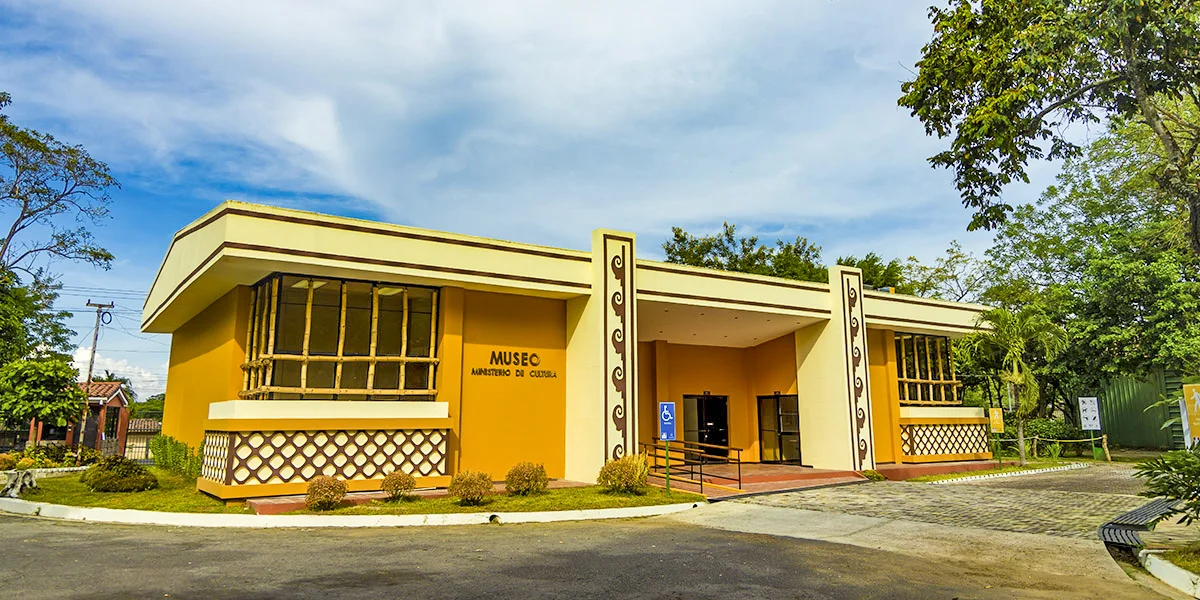
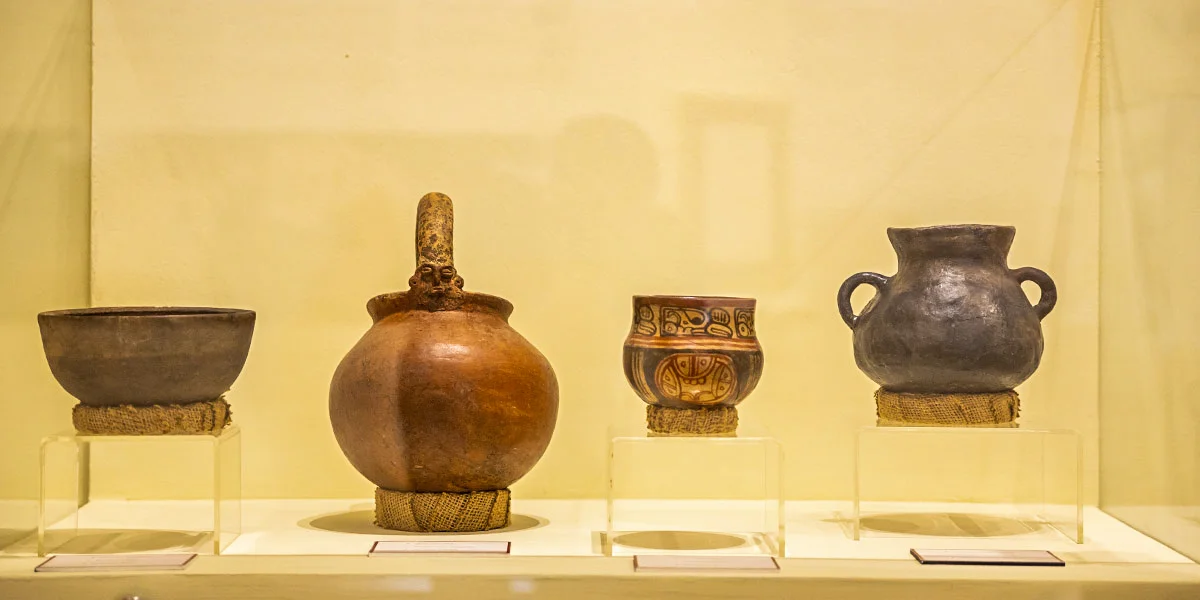
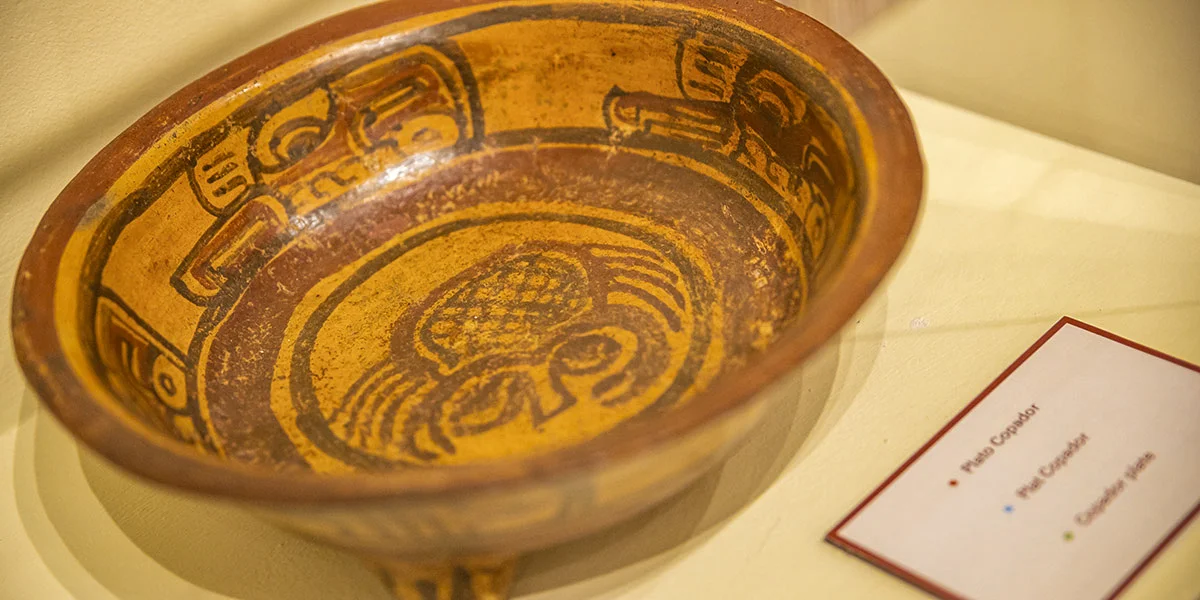
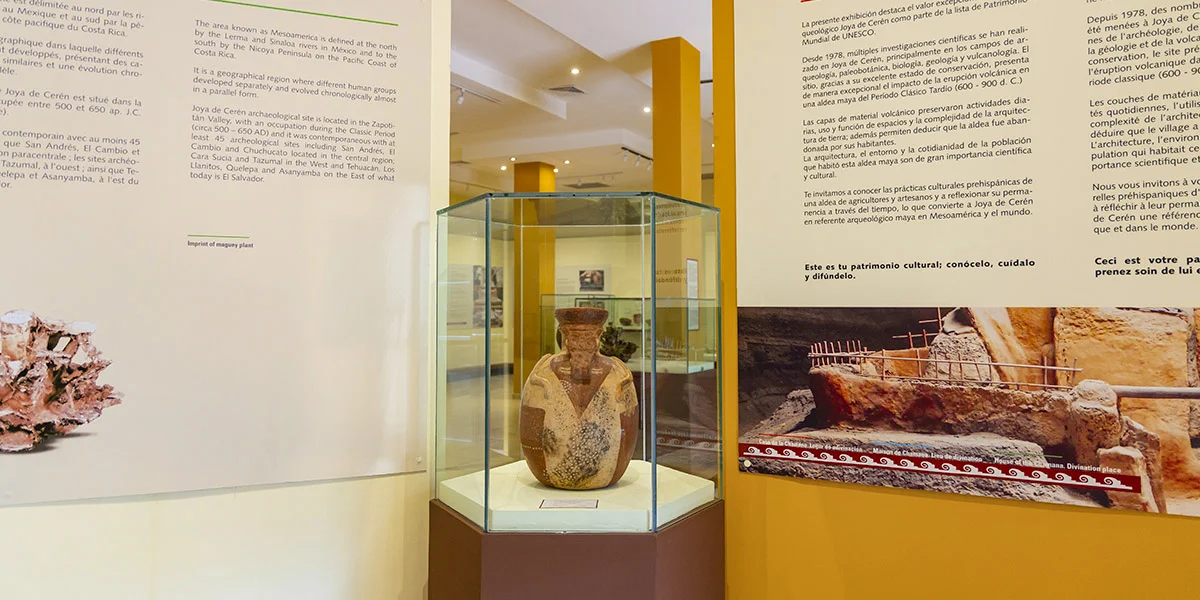
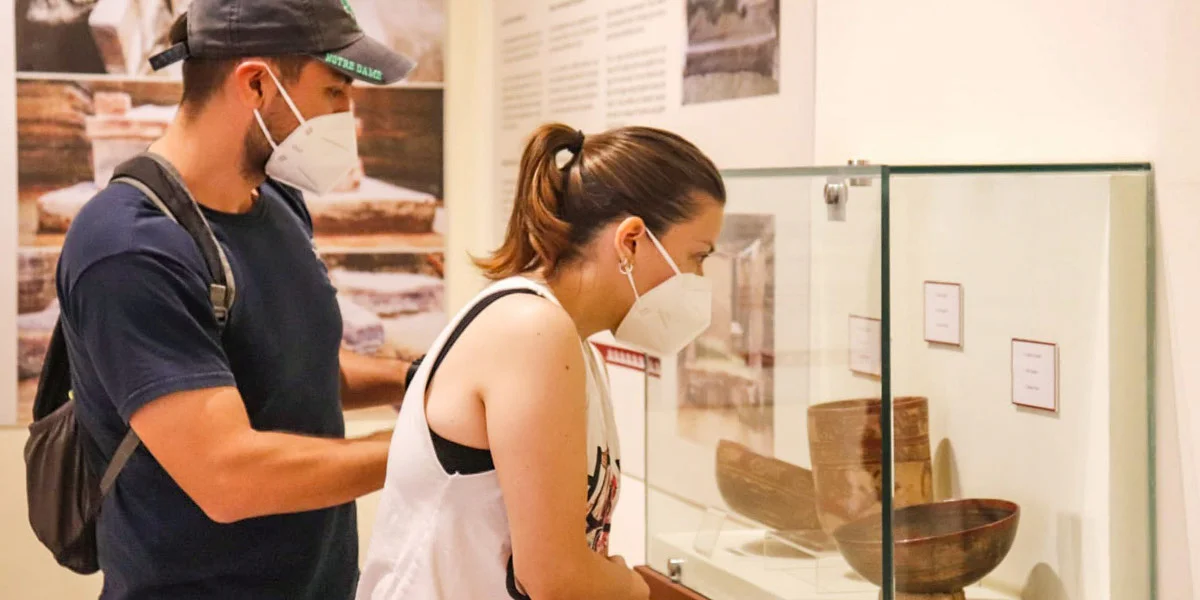
The Joya de Cerén Archaeological Park preserves the memory of a pre-Hispanic settlement with an exceptional character. Due to the degree of conservation of the structures it is possible to make interpretations through various multidisciplinary studies such as archeology, anthropology or botany.
Joya de Cerén was discovered in 1976, when a tractor was removing dirt to build silos that would be used to store grains. While removing dirt from a hill, the tractor discovered part of a house. Fortunately, Dr. Payson Sheets of the University of Colorado investigated this house shortly thereafter and determined that it was at least 1,400 years old, and has since been protected and studied. The park was created on June 19, 1993, and the current building was inaugurated on December 12, 2003.
Declared by UNESCO a World Heritage Site in 1993, Joya de Cerén provides insight into the daily life of a Mayan farming village from 1,400 years ago (7th century), and is the only one known in El Salvador. The site consisted of a small farm that was buried by five meters of volcanic ash during the eruption of the Caldera Lagoon, for what has been called the New Pompeii, and the Pompeii of the Americas. Its state of conservation is unbelievable.
GEOPOSITION
 Los Volcanes National Park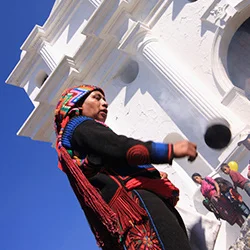
Santo Tomás Church, Pascual Abaj Shrine and Chichicastenango Market
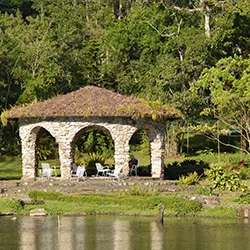
Matagalpa

Lake Coatepeque
RECOMMENDED TOURS
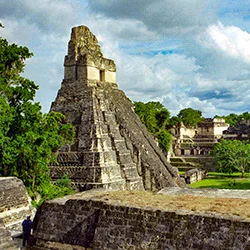
Route of the volcanoes: Maya, lencas and garífunas
Discover volcanoes, colonial cities, pre-Columbian archaeological sites, and nature, and meet with the indigenous communities.
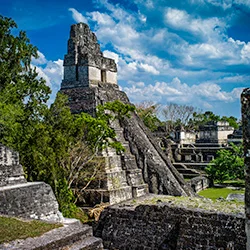
The Archaeologist
Discover Antigua Guatemala and the most important Mayan sites of Guatemala, Honduras and Belize.
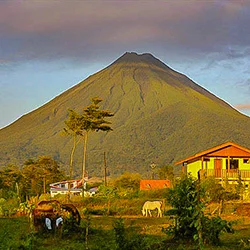
Mayan heritage and nature
The most authentic villages of Central America, the Mayan archaeology, the most exuberant nature and the colonial past.
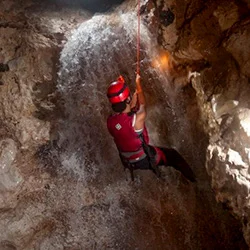
Belize and Guatemala I
A tour that combines rest and relaxation with visits to stunning natural areas, Mayan ruins, and the best hotels.
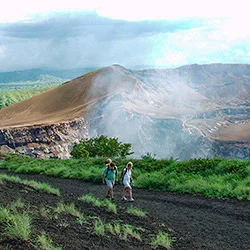
Colorful Central America
Travel Central America from North to South
