Panama Canal
ONE OF THE BIGGEST WORKS OF ENGINEERING OF THE WORLD
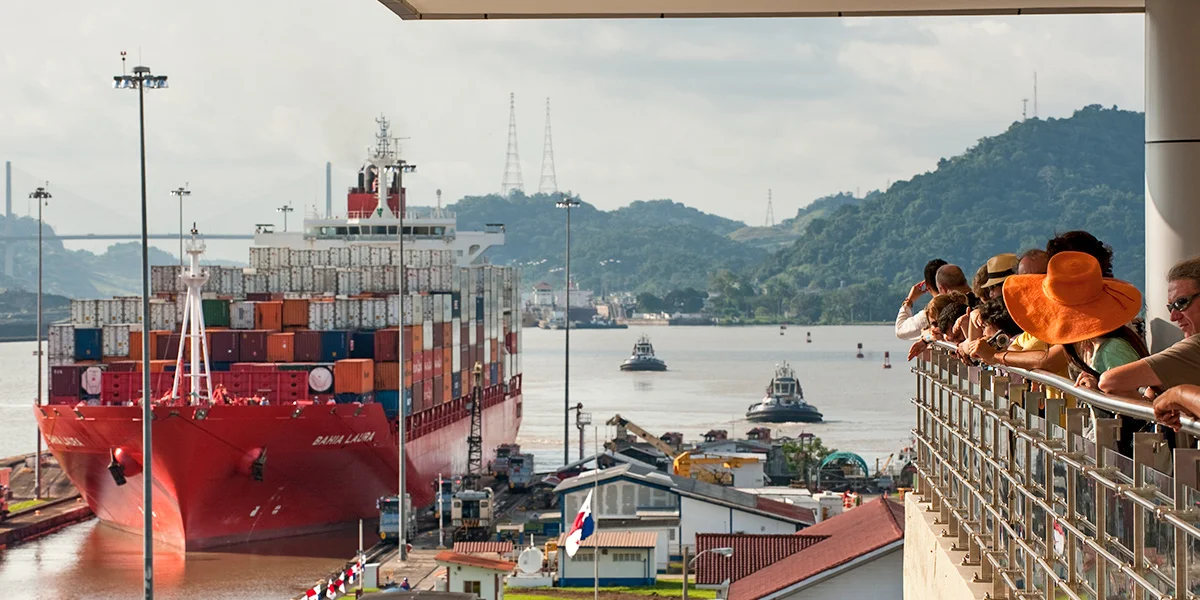
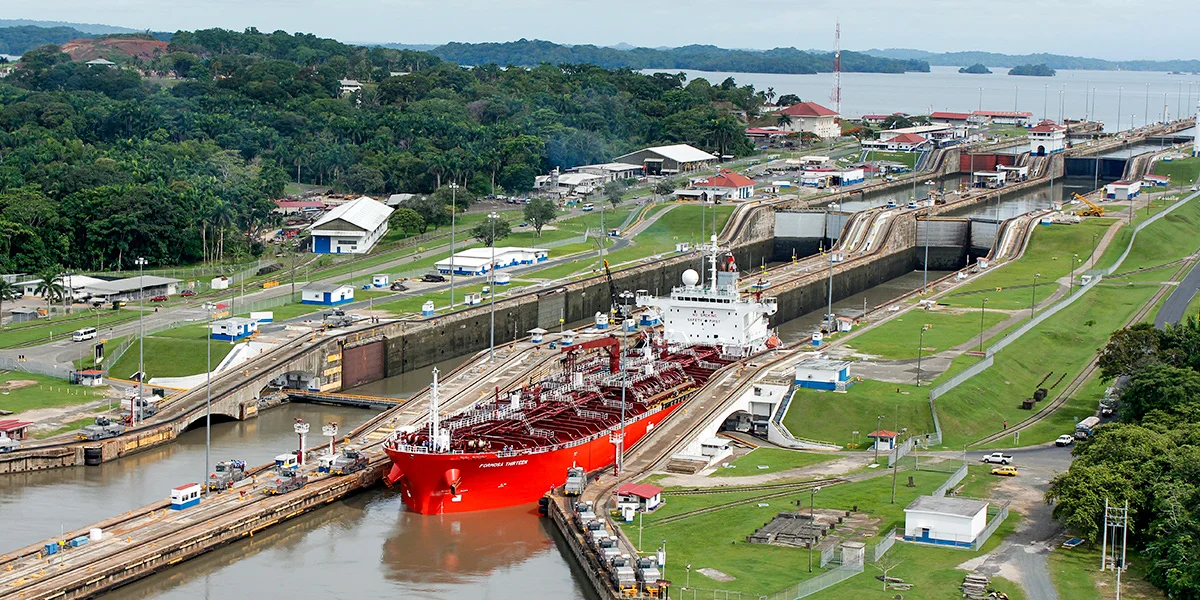
The Panama Canal is a product of ingenuity and human courage that dates back to the beginning of the 16th century, when the Spaniards arrived on the isthmus. From this time came the idea of building a route that would unite the oceans.
The first effort to build this route through Panamá was initiated by the French in 1880, but financial problems and tropical diseases resulted in the failure of the initiative. In 1903 Panamá negotiated with the United States the construction of the canal, completed in 1914, and since then administered by the United States until 11:59 A.M. on December 31, 1999.
From that date, Panamá assumed the full operation, administration, maintenance, modernization and expansion of the canal, in compliance with the Torrijos-Carter Treaties agreed with the United States in 1977. Since then, the route is administered by the Panama Canal Authority (ACP), an autonomous government entity. In 2014, the canal celebrated 100 years of uniting the world, connecting 144 maritime routes that reach 1,700 ports in 160 countries, positioning Panamá as a transport, logistics and services center.
The canal works as a marine shortcut to save distance, time, and costs in the maritime transportation of goods. The 80-kilometer waterway (50 miles) connects the Caribbean Sea and the Pacific Ocean at the narrowest point of the Isthmus of Panama and the American continent.
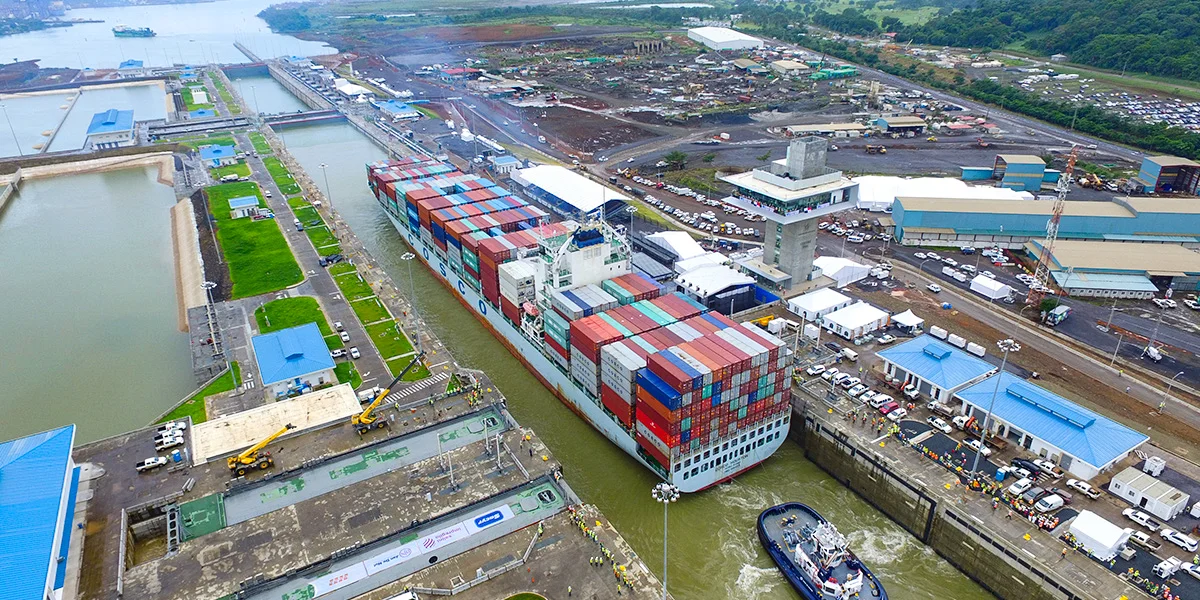
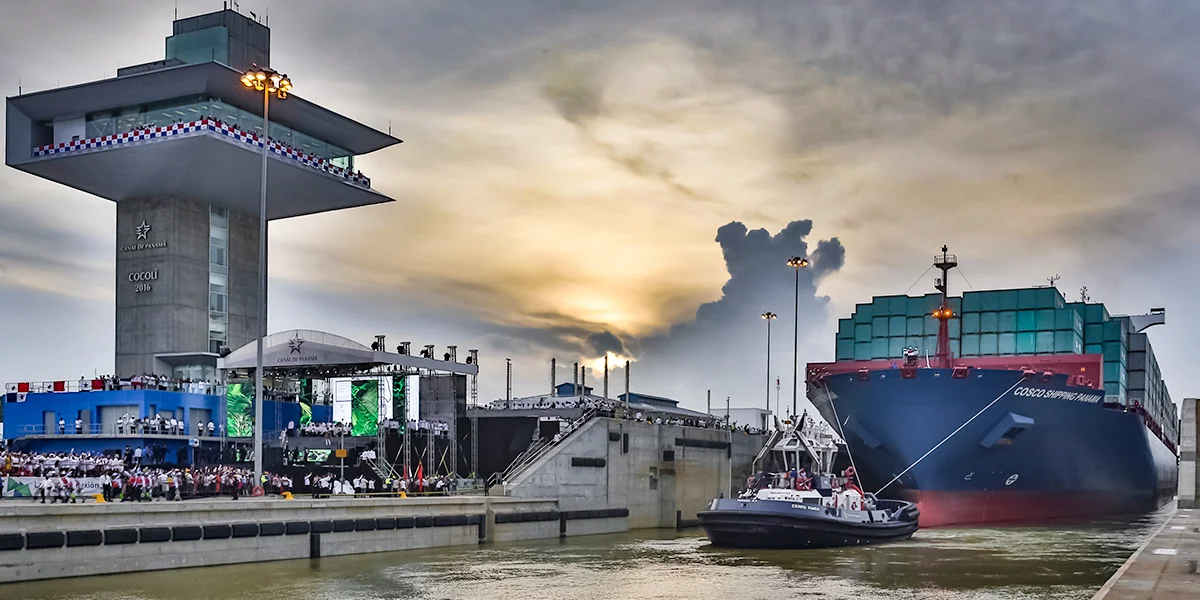
The expansion of the Panama Canal began in September 2007, with the purpose of doubling the capacity of the interoceanic waterway to meet the growing demand of world trade. Since its inauguration in June 2016, the expanded canal has increased its capacity to meet the growing demand for maritime trade by using larger ships, capable of handling more cargo, which means that the route through Panama allows for new economies of scale. The expansion of the Panama Canal added a third, wider lane for the transit of larger ships. The new locks are wider and deeper, but use less water thanks to the water saving basins that recycle 60% of the water used in each lock.
GEOPOSITION
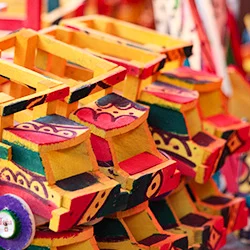
Masaya and Crafts Market
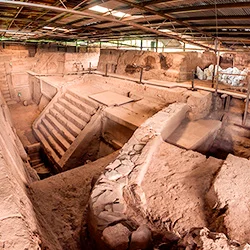
Kaminal Juyu
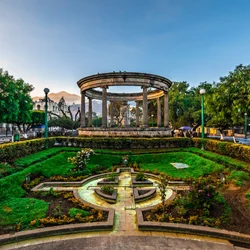
Quetzaltenango
RECOMMENDED TOURS
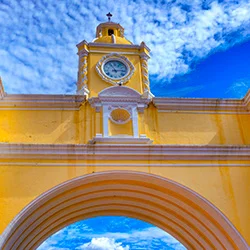
Mayan Triangle
On this tour, you will visit the most important Mayan remains of Central America: Joya de Cerén, Tazumal, Casablanca, Copán, and Quiriguá.
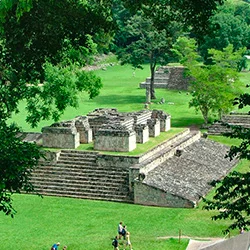
Relaxation and culture in Central America
Move across the streets of La Antigua Guatemala, take the Route of the Flowers, and visit Joya de Cerén and Copán, through this 9-day tour.
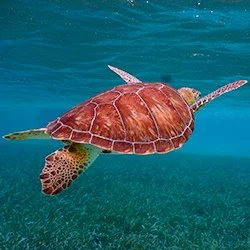
Must see Guatemala & Belize
Cultural visits, discovering the ancient Maya heritage, and snorkeling are just some of the adventures offered by this amazing tour.
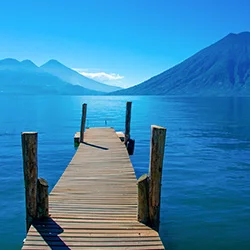
Essential Central America
Get to know Guatemala and Costa Rica in depth on this tour through their main tourist attractions, both cultural and natural.
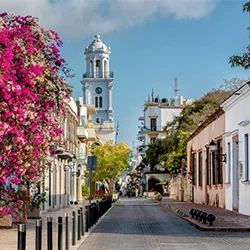
The Best of Central America and the Dominican Republic
It combines natural, cultural and gastronomic riches, as well as adventure, the warmth of its people and some of the most popular areas of the Dominican Republic, Nicaragua, Panama and Costa Rica.
