South Water Caye
Marine Reserve
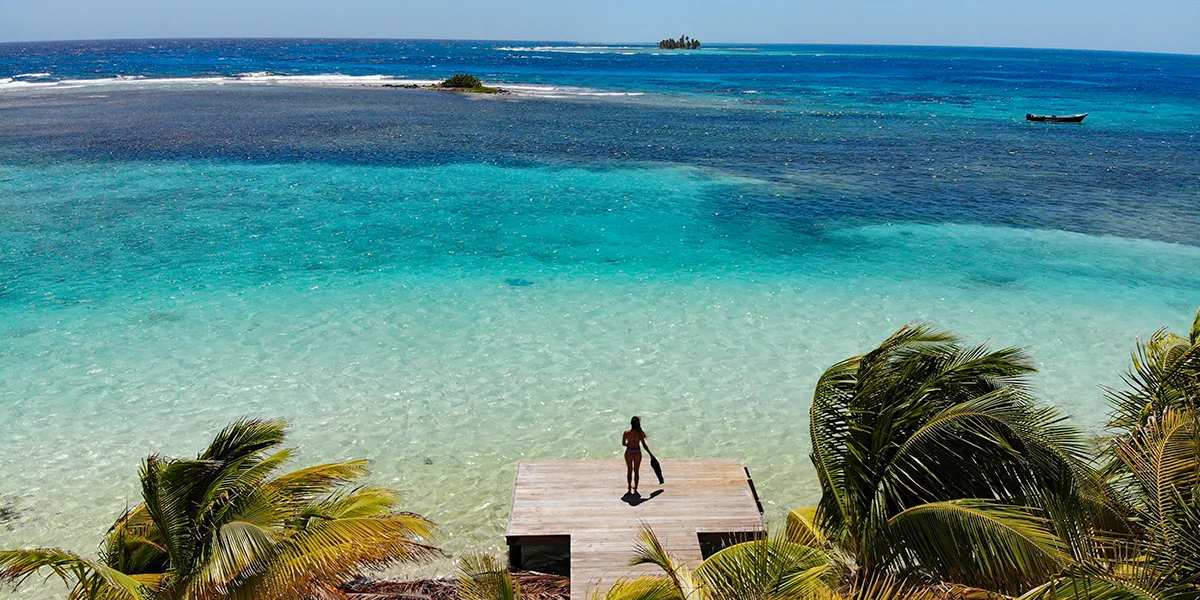
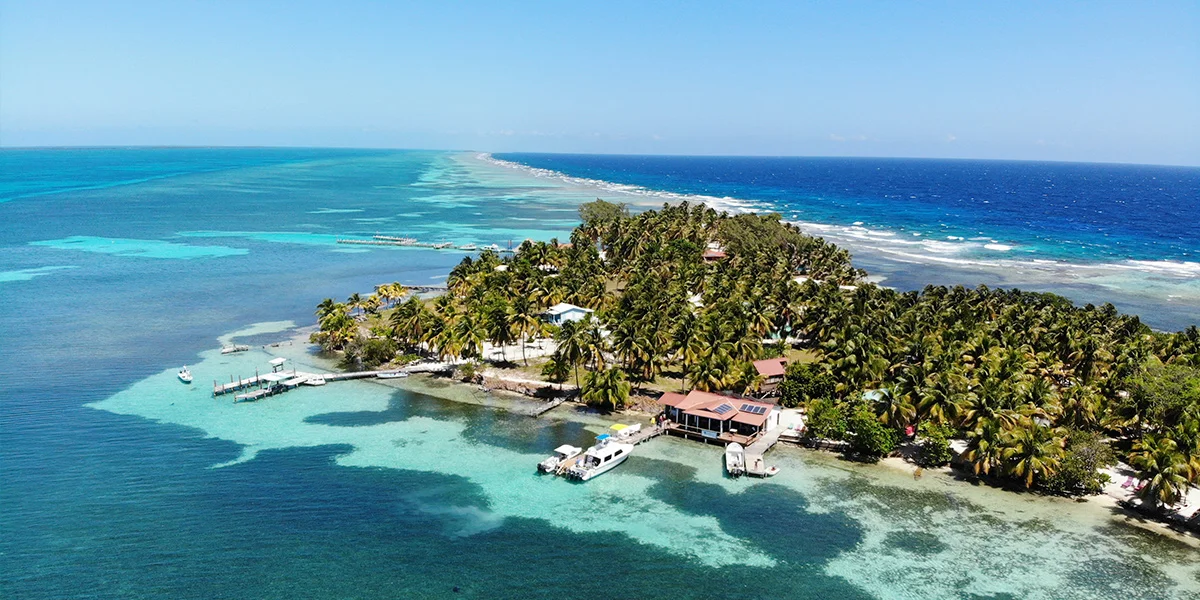
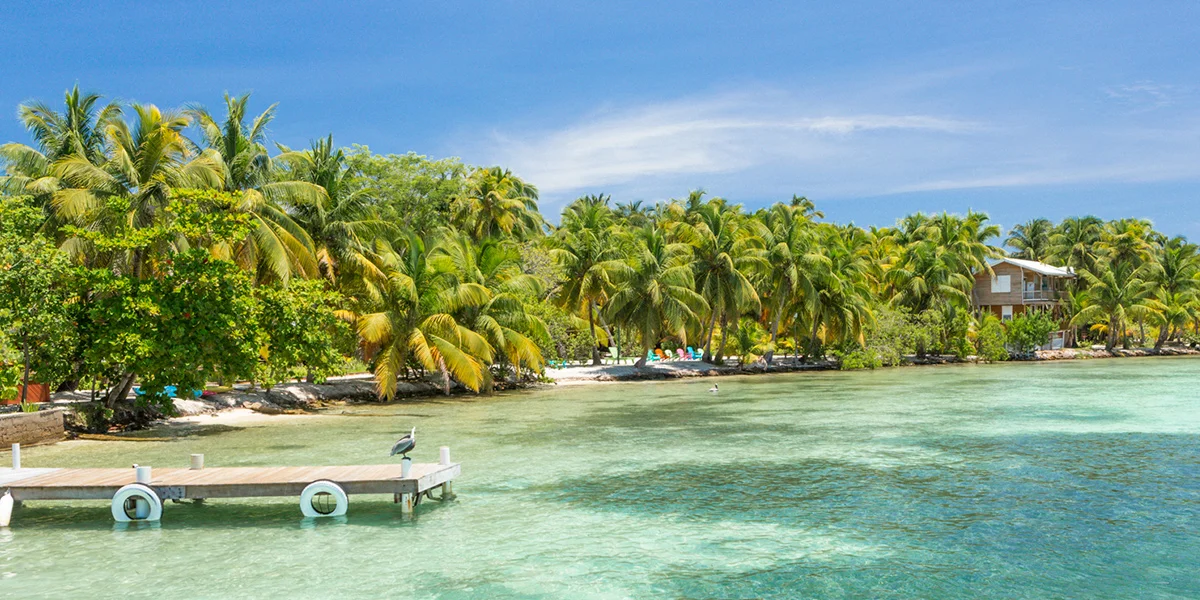
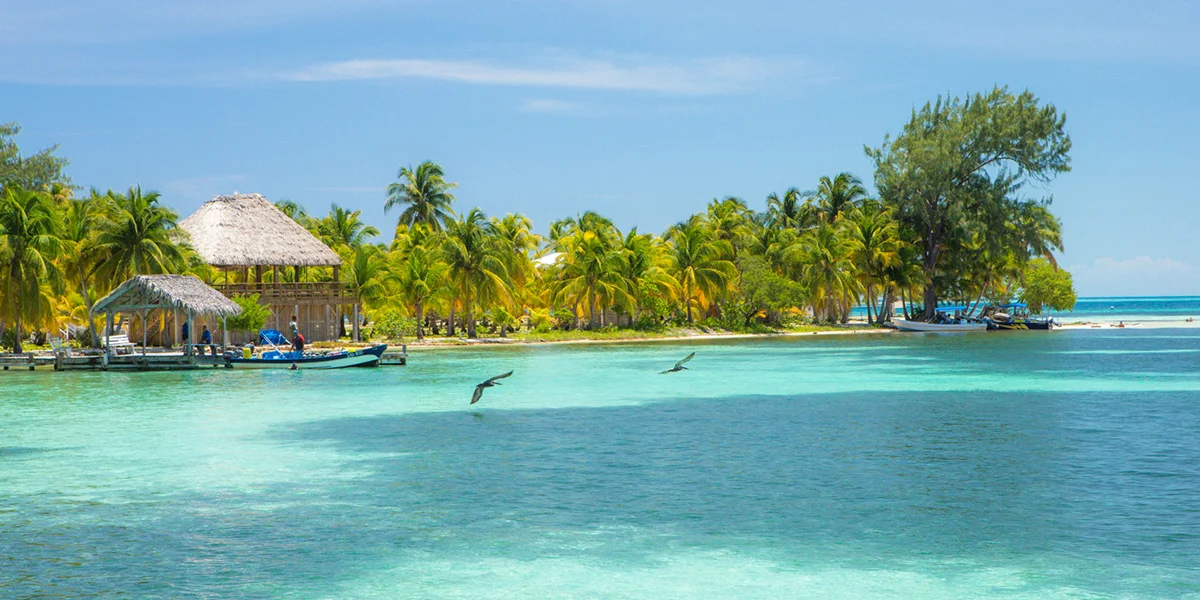
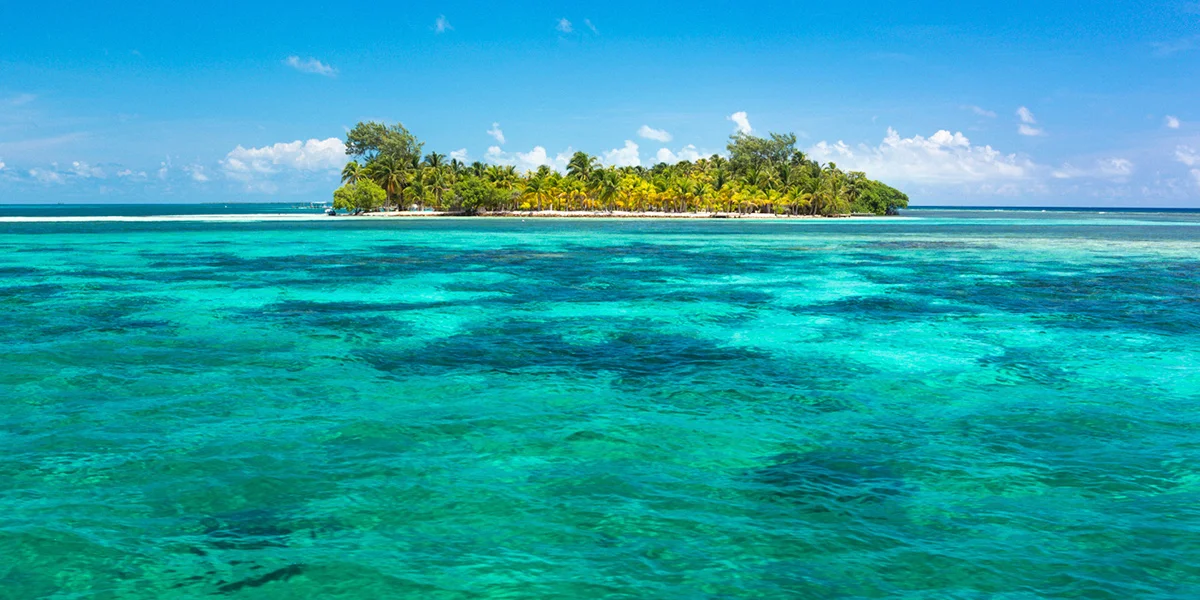
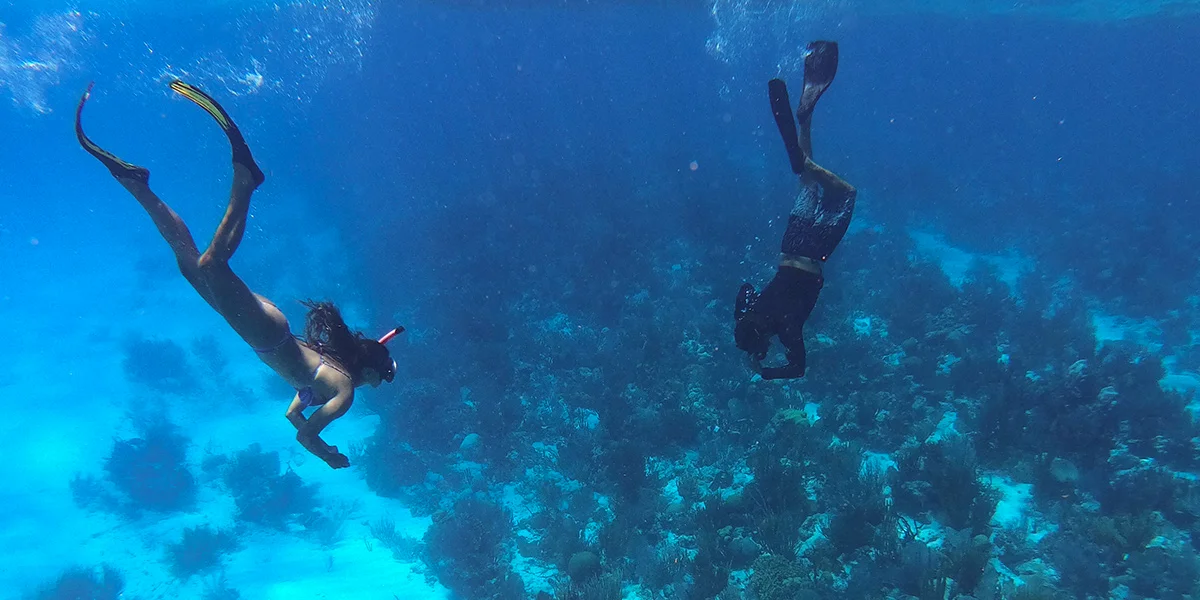
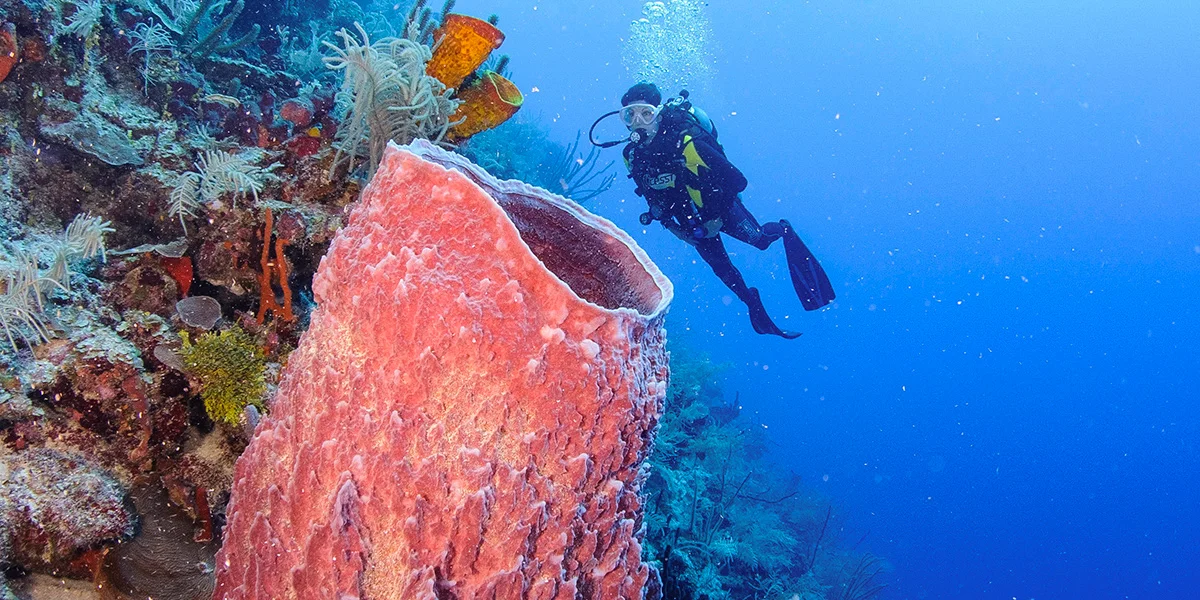
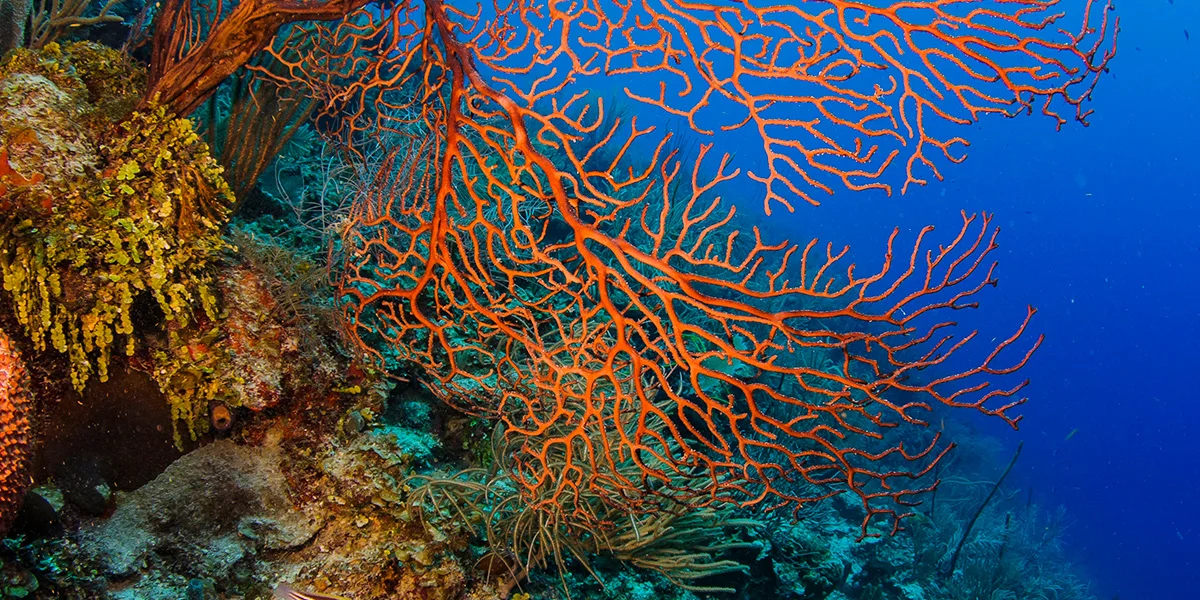
A lesser-known gem in Belize, 15-acre South Water Caye is our version of an off-the-beaten-path destination (though most places are here) for diving and snorkeling, not to mention relaxing on one of our best tropical beach settings in the whole country. The southern section is well known for its sandy beach, and since the reef is only a short swim from the shore, you can split time between relaxing on the beach and taking in underwater life.
Which activity you spend more time doing will be a tough decision. As the largest marine protected area in Belize, South Water Caye lies 18km east of the mainland. The beautiful isle includes a portion of the famed Belize Barrier Reef, and is known for the abundance of palm trees dotting the sandy island. As you dock, pelicans soar overhead to prey on the plenty of bonefish in the water beside you.
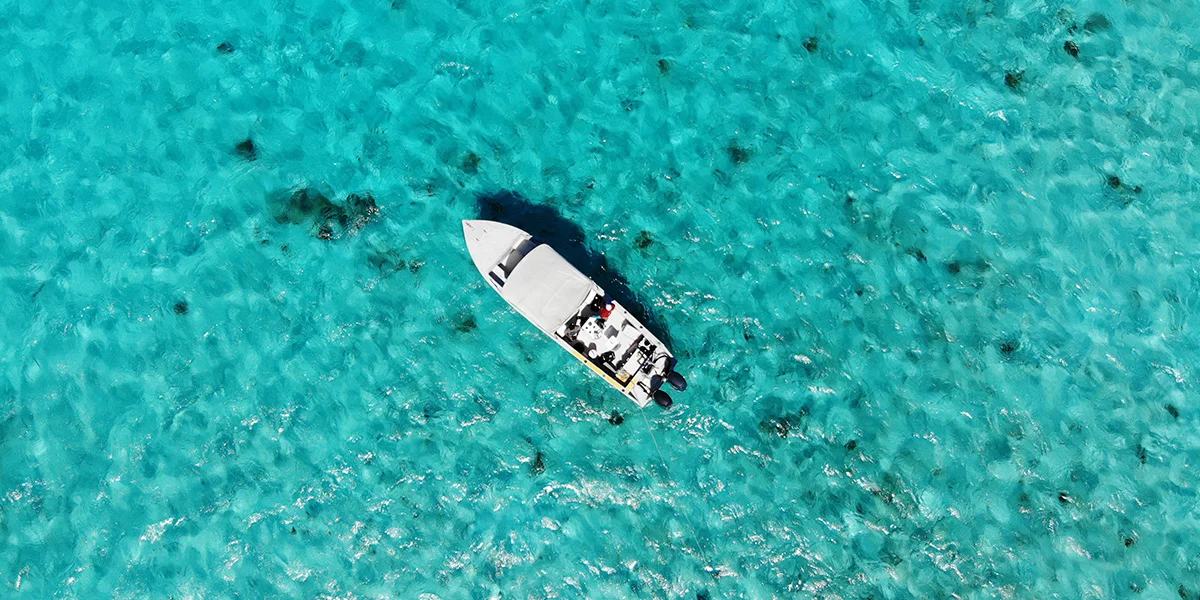
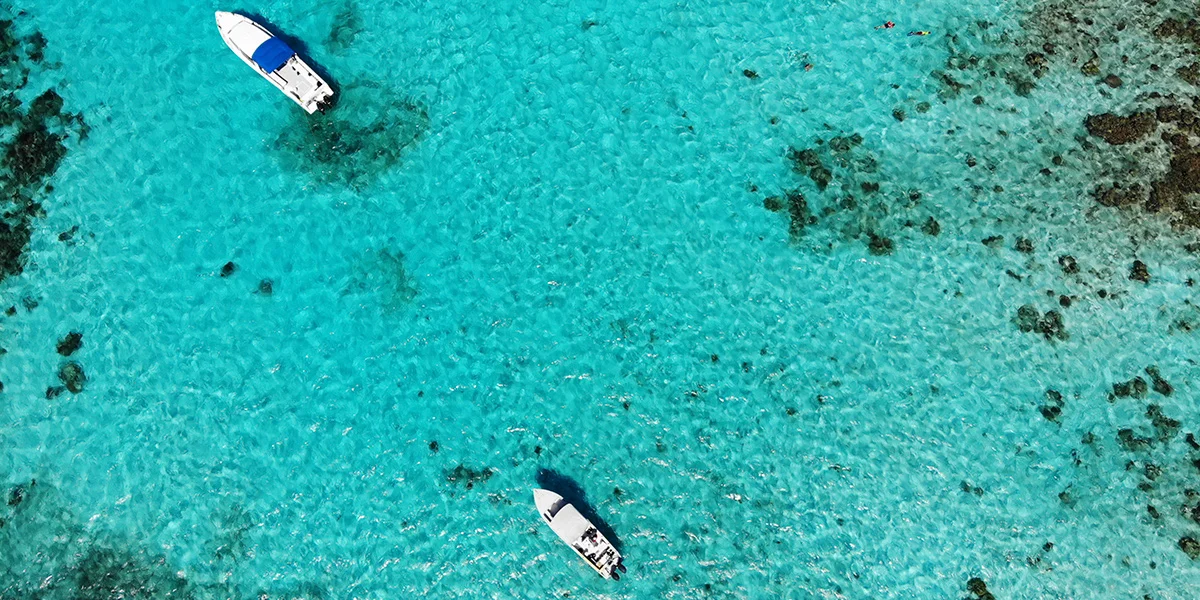
Leave your gear – and worries – on the boat as you descend onto this spectacle of an island, the warm sand greeting your feet as you explore this small yet exotic island. It is only about an hour away from Placencia on boat, and there are many tour operators offering a beautiful snorkeling day at the caye. Be ready to see sting rays, colorful fish and amazing corals as you snorkel offshore.
GEOPOSITION
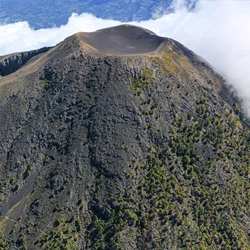
Acatenango Volcano
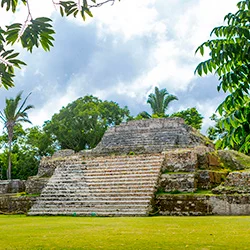
Altun Ha
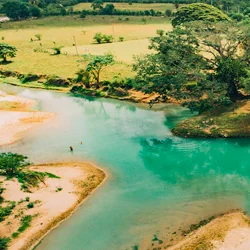
Jamao to the North, Espaillat
RECOMMENDED TOURS
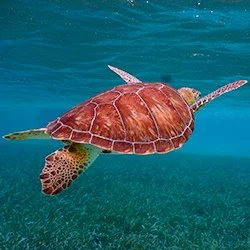
Must see Guatemala & Belize
Cultural visits, discovering the ancient Maya heritage, and snorkeling are just some of the adventures offered by this amazing tour.
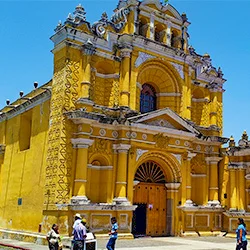
The perfect combination of Central America
Discover Honduras and Guatemala by learning about their culture, people, natural resources, colonial cities, and their Mayan archeology
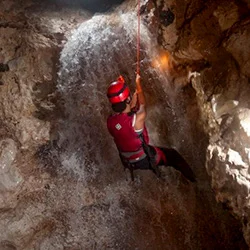
Belize and Guatemala I
A tour that combines rest and relaxation with visits to stunning natural areas, Mayan ruins, and the best hotels.
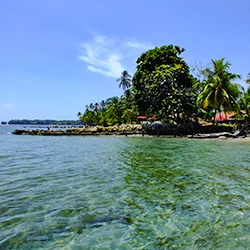
Grayline Costa Rica and Panama
Culture and nature surround you in this tour across Costa Rica and Panamá.
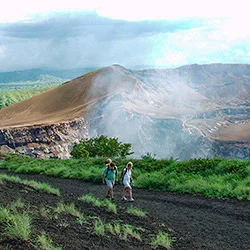
Colorful Central America
Travel Central America from North to South
