Managua
MANAGUA ALSO KNOWN AS LA NOVIA DEL XOLOTLÁN
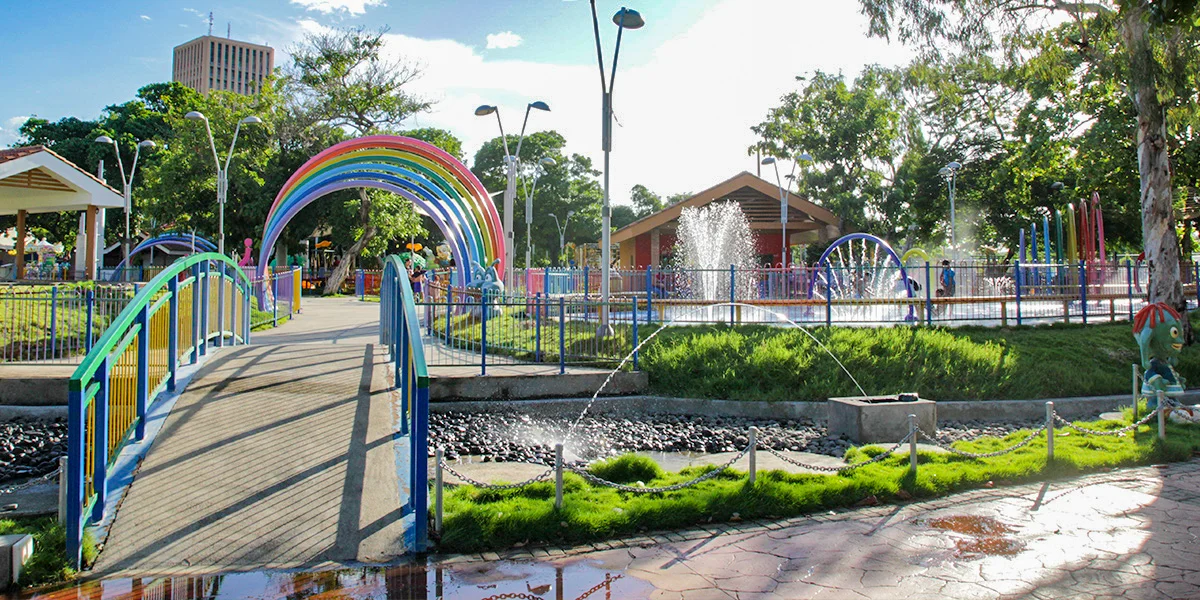
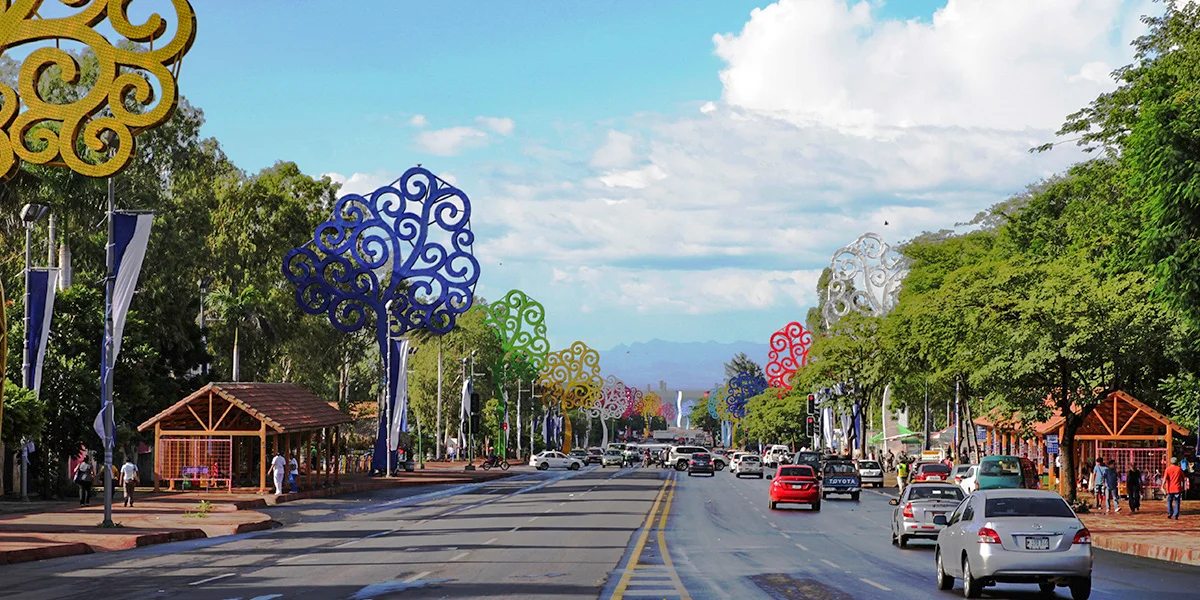
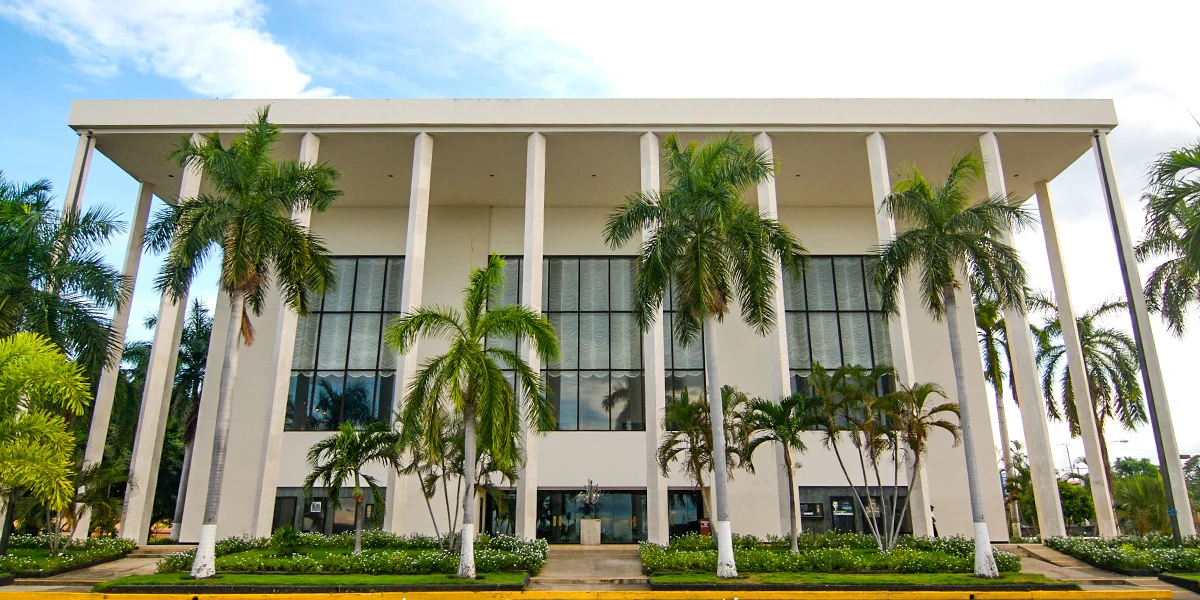
The city of Managua is the capital of Nicaragua, and has an estimated population of 1.5 million inhabitants. Originally, it was a small indigenous city. In 1821, after the Nicaraguan independence from the Spanish crown, Managua was elevated to a city in 1846, and became the capital of the Republic of Nicaragua in 1852.
The name of Managua comes from the Nahuatl “managuac,” and means “Surrounded by Ponds.” It is also known as “La Novia del Xolotlán.” On the shores of Lake Xolotlán, Managua offers very interesting sites that are visited by both locals and foreigners, for their beauty and historical interest:
the Plaza of the Revolution, historic site celebrating the triumph of the people over the Somoza dictatorship; the modern Presidential House, and the Palace of Culture, which houses the National Museum, as well as valuable murals; the Cathedral of Santiago de Managua, semi-destroyed by the 1972 earthquake, however, it is still possible to appreciate its architectural beauty from the outside. A few steps away you will find the beautiful carved marble fountain, in honor of the Nicaraguan poet Rubén Darío; the Rubén Darío National Theater, where an intense artistic and cultural activity takes place. Through the enormous stained-glass windows of the theater, you can appreciate the beauty and immensity of the lake, and the Momotombo and Momotombito volcanoes.
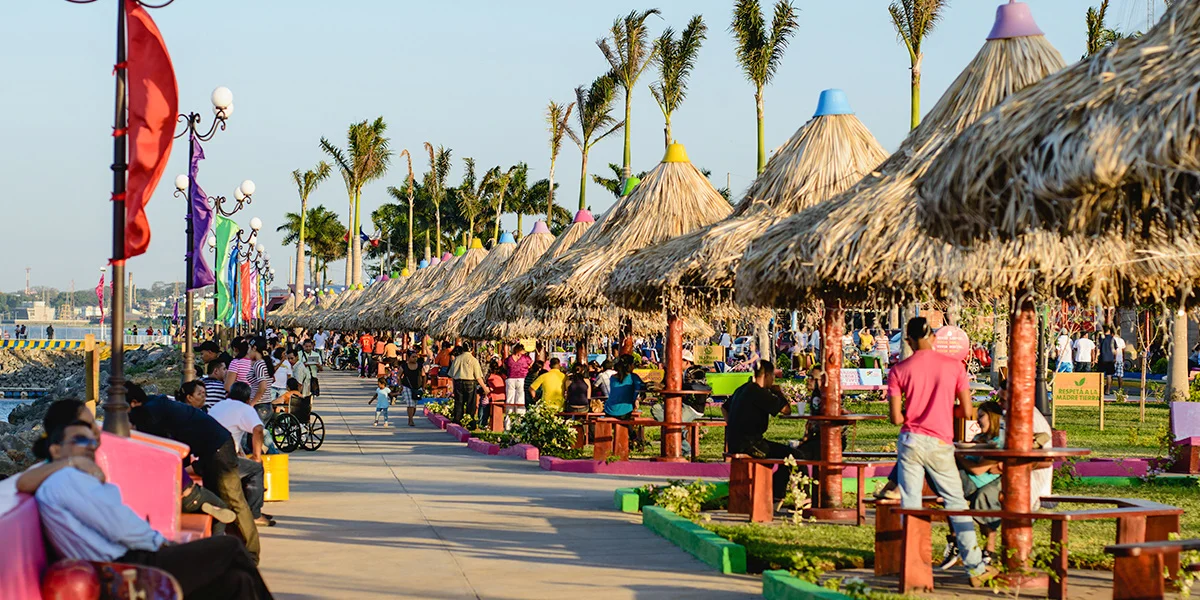
In addition to the historic center, Managua features other places of interest, such as Puerto Salvador Allende, anchor point of a small cruise ship that sails the lake, offers restaurants for all tastes, bars, nightclubs and recreation areas for all ages. The Paseo Xolotlán, a boardwalk with incredible views of the lake, and a historical tour of ancient Managua, through scale models of old buildings in the city, and the most representative churches in the country.
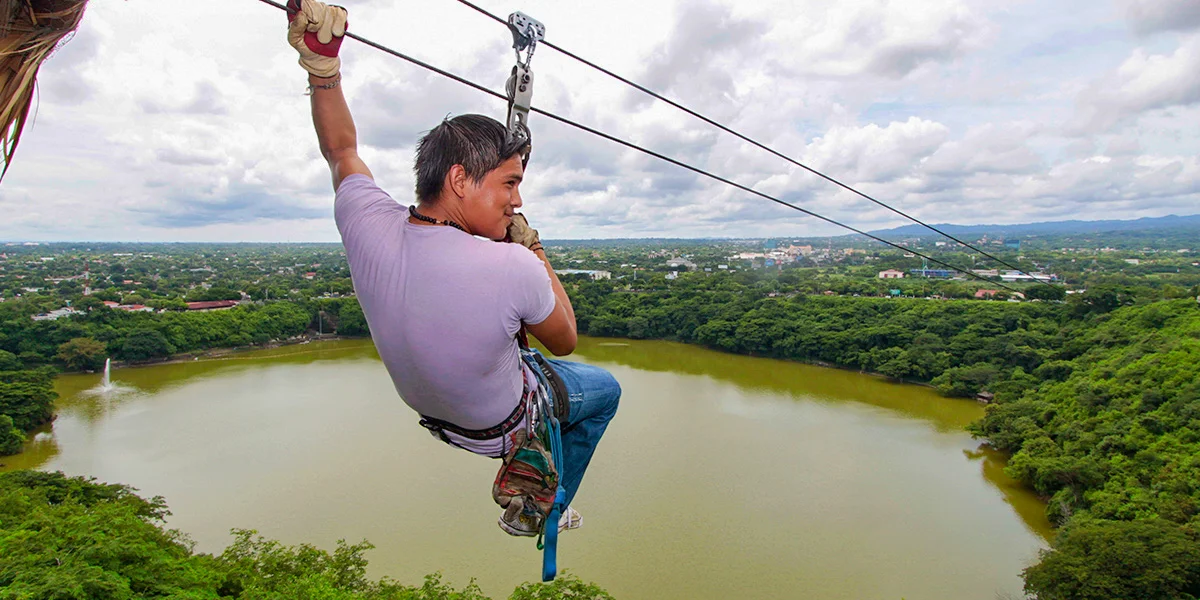
Managua also has three important natural reserves: the Chiltepe Peninsula, with its two crater lagoons; the El Chocoyero-El Brujo Reserve, with its waterfalls; and the Montibelli Private Reserve, ideal for the practice of bird watching.
GEOPOSITION
Pink Zone
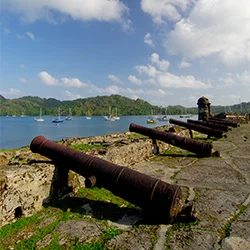
Portobelo and San Lorenzo
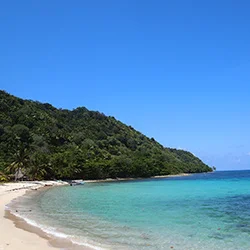
Tela
RECOMMENDED TOURS
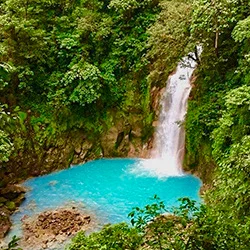
Nature and culture Nicaragua and Costa Rica
A tour that combines communities of Costa Rica and Nicaragua.
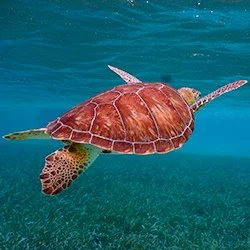
Must see Guatemala & Belize
Cultural visits, discovering the ancient Maya heritage, and snorkeling are just some of the adventures offered by this amazing tour.
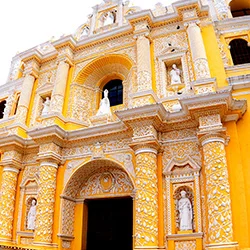
Pilgrimage
Pilgrimage to the most important religious sites of Guatemala and El Salvador on this tour. Discover historic churches, cathedrals, and sanctuaries.
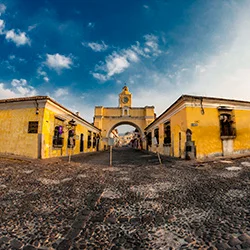
The Conquest Trail
Discover the Spanish colonial power in this journey through architecture in Guatemala, El Salvador and Honduras.
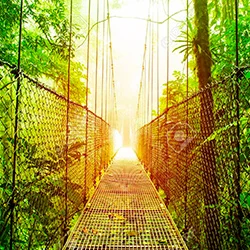
On the Pan-American Highway Through Central America
An exceptional trip that takes you to five Central American countries.
