Isla del Coco National Park
Declared Wold Heritage Site for its incomparable natural beauty
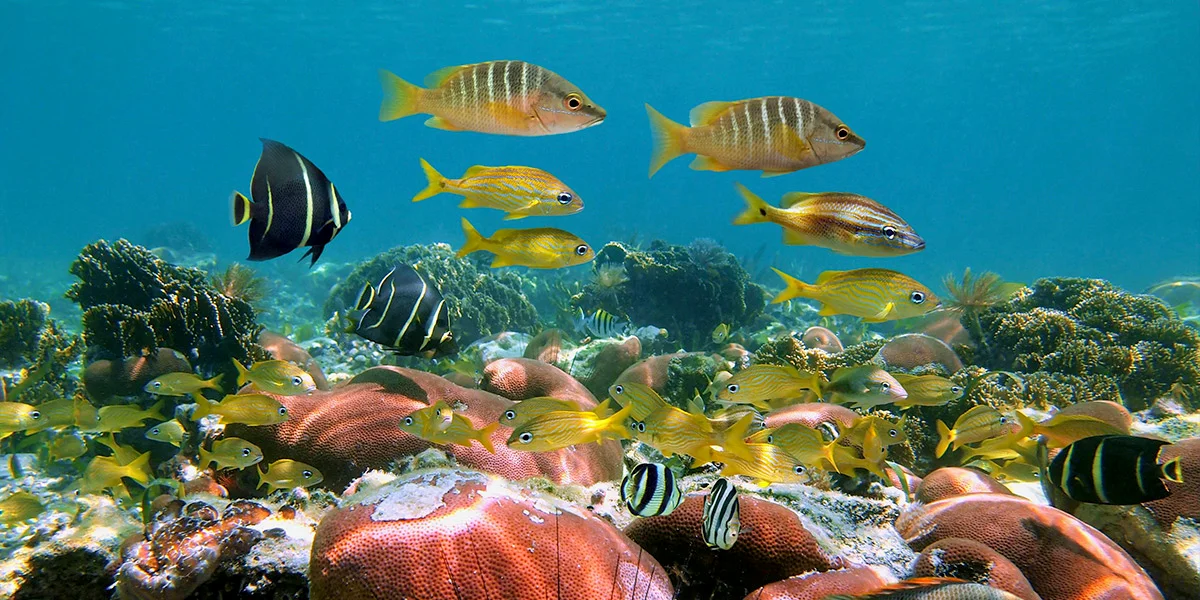
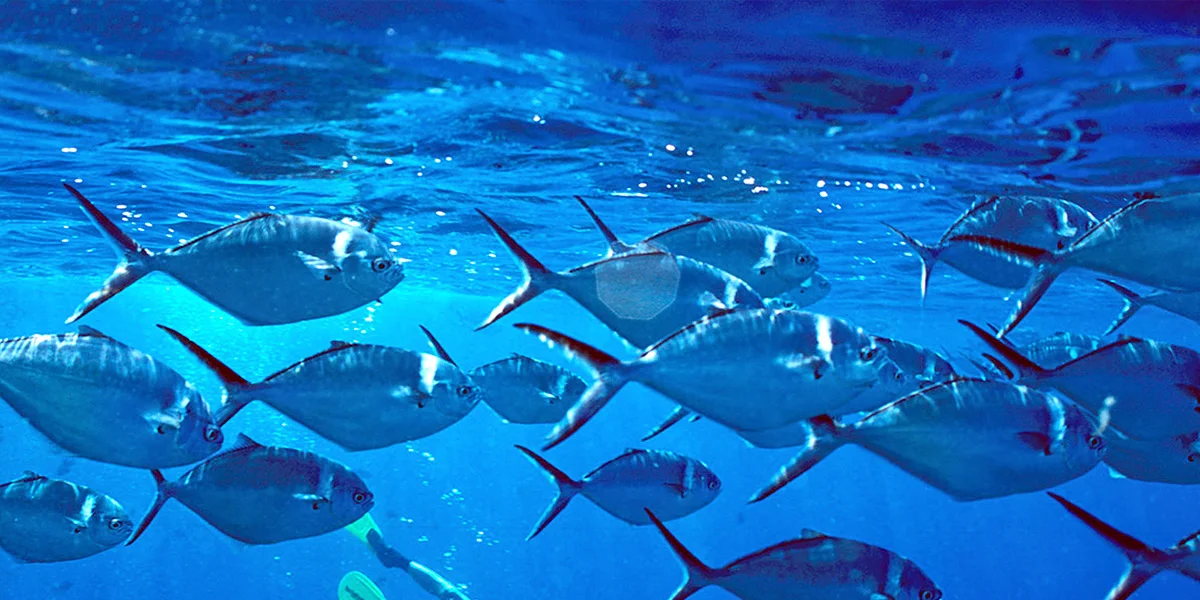
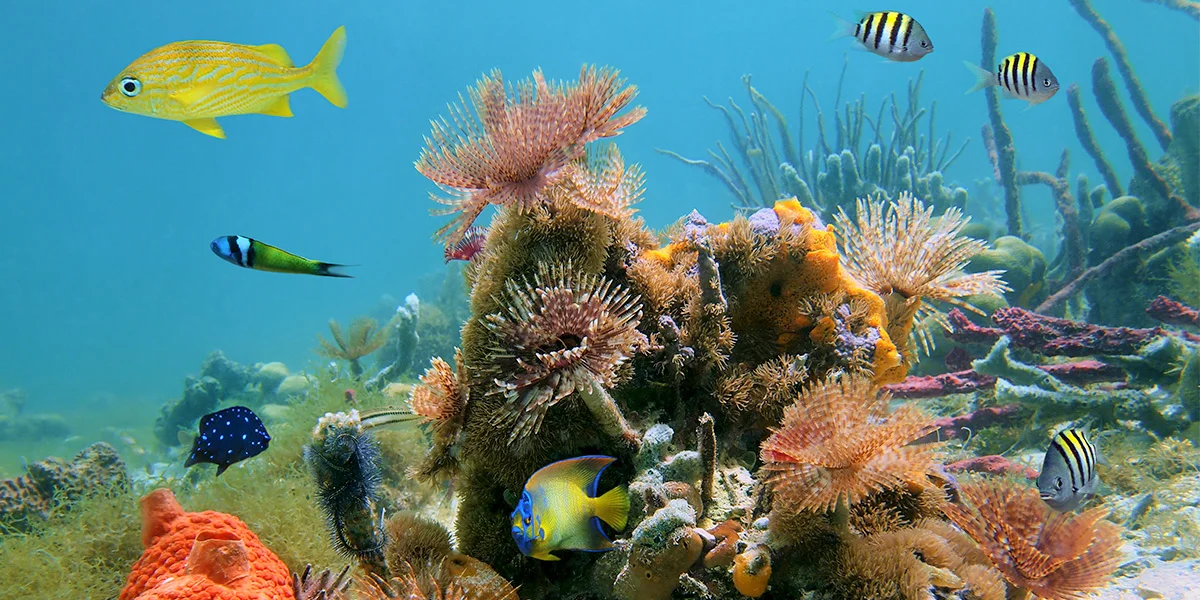
The Isla del Coco National Park, located in the Pacific Ocean, was declared in 1997 as a World Heritage Site by UNESCO, due to its unparalleled natural beauty and biological richness. Its limits extend 12 nautical miles around the terrestrial zone of the island, covering an extension of 2,071 km2 of marine area, and 24 km2 of terrestrial area. Since the end of the 16th century, it was a place of refuge, rest and supply of pirates, corsairs and whalers who travelled the Pacific coast of Spanish America.
The island coast has cliffs of up to 183 meters high, and contain many underwater caves. The two main bays are Wafer and Chatham, to the north of the island, with the only two sandy beaches of this park. The turquoise blue sea is of extraordinary transparency, which added to the great amount of rock formations constitute a unique habitat for abundance of fish, sharks (hammer and white fin), dolphins, manta rays, molluscs, and many marine species that make this island one of the most extraordinary places in the world for diving.
In addition, thanks to its climatic regime, the island has evergreen forest areas of great natural beauty. In these forests, around 500 plant species have been identified, of which a large number are endemic species. In terms of fauna, more than 1,400 species with a high degree of endemism have been identified. These include large pelagic species such as hammerhead shark, whale shark, manta rays, yellowfin tuna and marlin. Mammals are also present, among them have been identified five terrestrial species: pigs, cats, white-tailed deer and two species of rats, as well as several marine species such as the bottlenose dolphin and the humpback whale. On the island, you can also see more than 100 species of birds, of which 13 are residents and three are endemic.
The numerous and impressive waterfalls, as well as the legendary stories of pirates and treasure hunters, supposedly hidden there, make this island a place of incalculable ecological and historical value.
The park offers information services for visitors, trails, signage, sanitary services, showers, communications system, drinking water, and several natural viewpoints.
GEOPOSITION
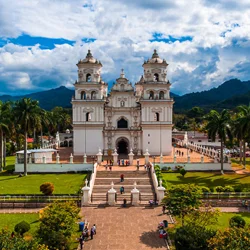
Esquipulas
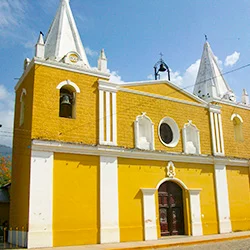
Trujillo
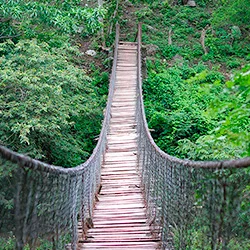
San Pedro de Zacapa
RECOMMENDED TOURS
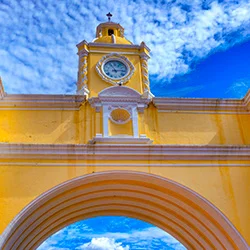
Mayan Triangle
On this tour, you will visit the most important Mayan remains of Central America: Joya de Cerén, Tazumal, Casablanca, Copán, and Quiriguá.
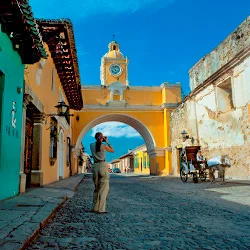
The Magical Guatemala
A journey through the architectural gems, the indigenous communities, the natural spaces, and the most important archaeological zones of Guatemala and Honduras.
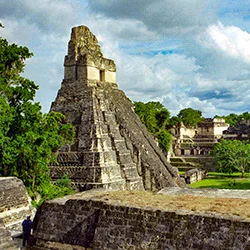
Route of the volcanoes: Maya, lencas and garífunas
Discover volcanoes, colonial cities, pre-Columbian archaeological sites, and nature, and meet with the indigenous communities.
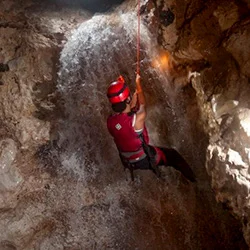
Belize and Guatemala I
A tour that combines rest and relaxation with visits to stunning natural areas, Mayan ruins, and the best hotels.
Nicaragua, Costa Rica and Panama
An exceptional trip across nature and colonial remains in these three countries
